

Warao Women Weave New Beginnings in Trinidad and Tobago
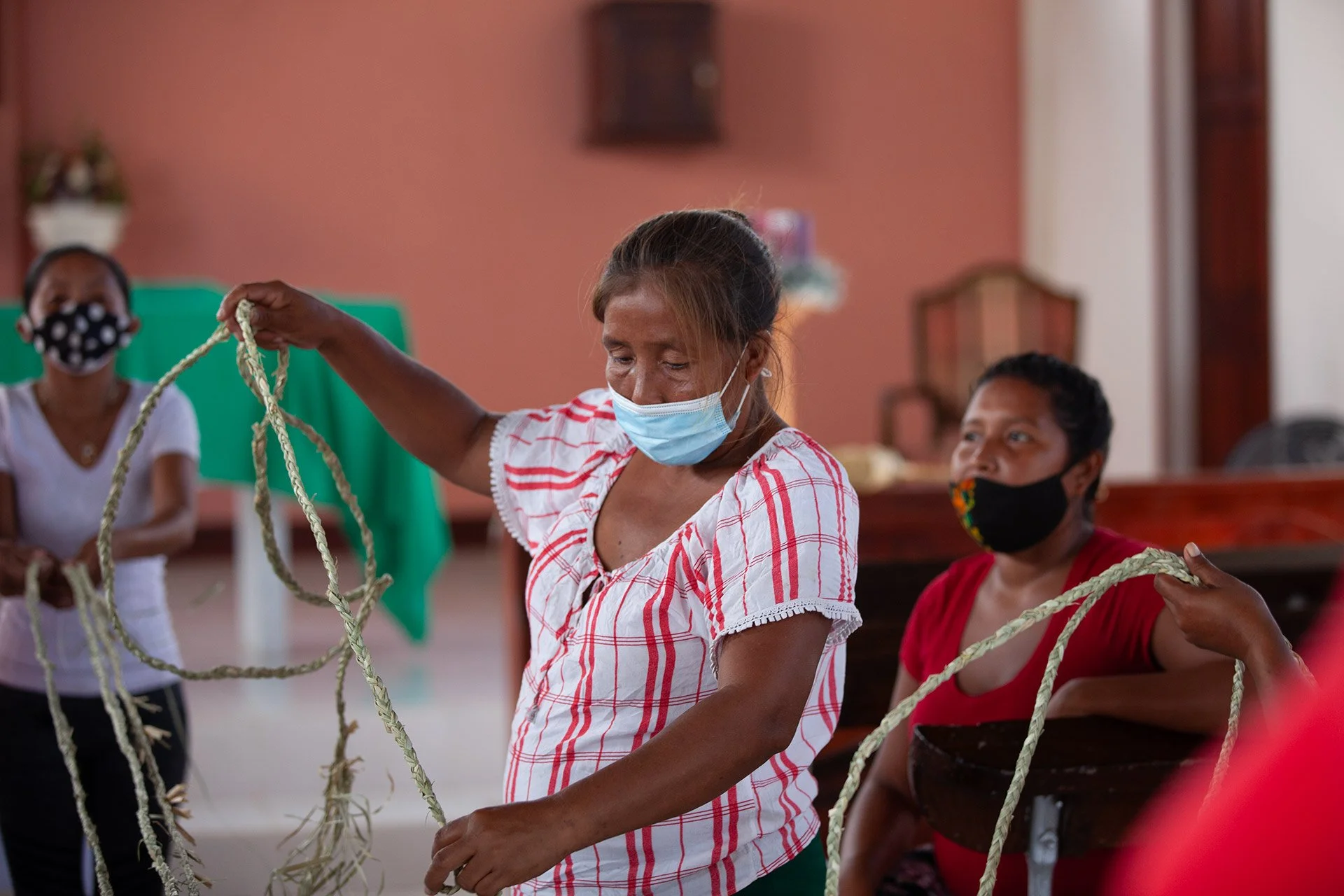
Image courtesy of IAMovement. Warao Women Upliftment Programme.
A wave of Venezuelan migrants rebuild their lives in Trinidad and Tobago, fleeing the economic and political turmoil that continues to grip their homeland. For these newcomers, adapting to a new country brings a host of challenges, such as language barriers and limited stable work. Among them, women are the most vulnerable, facing heightened risks of abuse and harassment, and the added responsibilities of child care.
As migrant women seek ways to support their families, they often struggle to find employment and are taken advantage of, especially if they are unfamiliar with the native language and lack the documentation to effectively advocate for themselves. These compounding obstacles place them at high risk of exploitation, discrimination, and unsafe environments.
Empowerment becomes a critical tool in the face of these challenges. The youth-founded non-profit, IAMovement, recognized both a humanitarian need and a unique opportunity to support migrant women in not only surviving but thriving. That’s the vision behind the Warao Women’s Upliftment Program, which equips women with artisanal craft training, materials, and networks to build sustainable livelihoods.
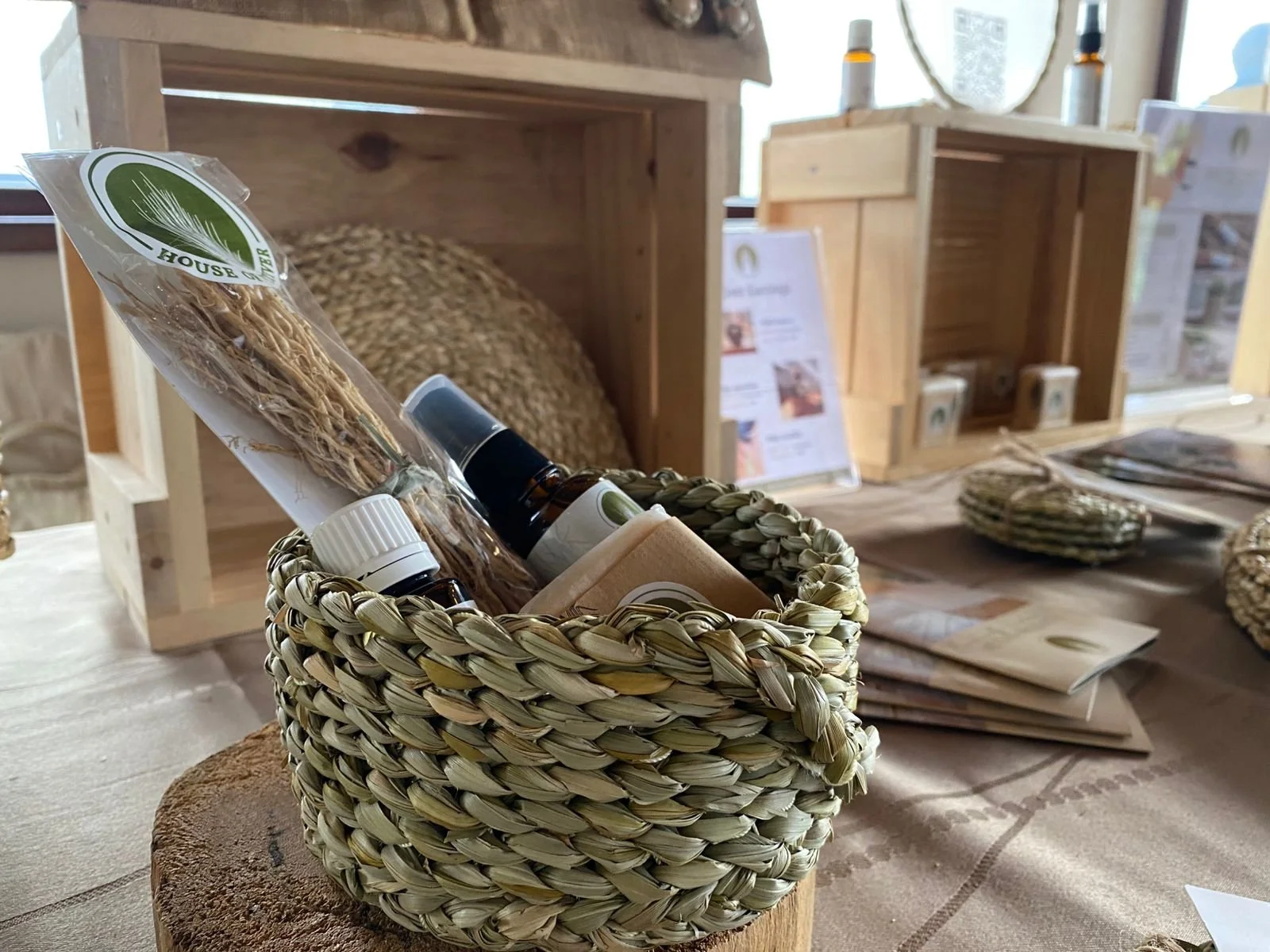
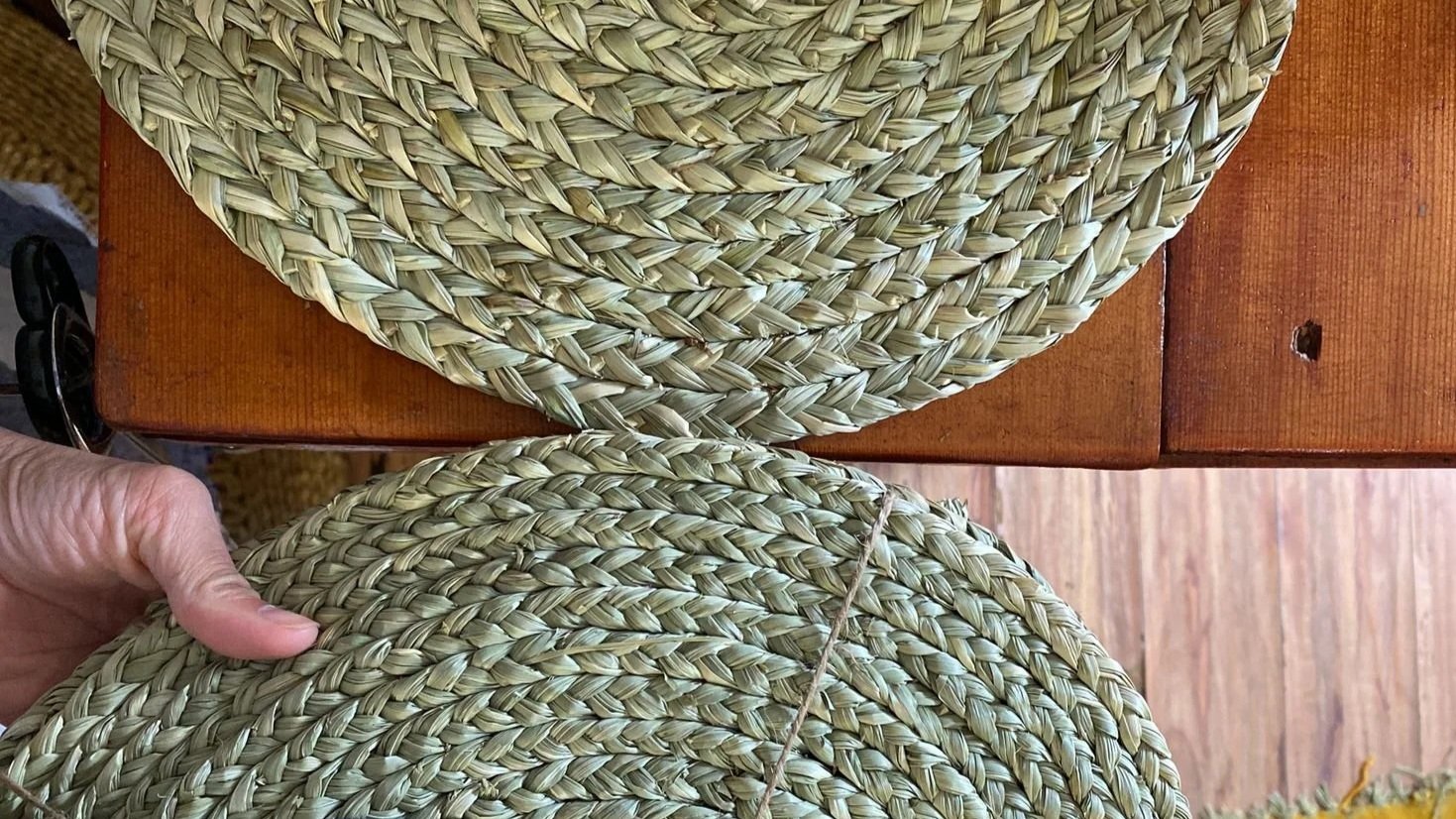
Image courtesy of IAMovement. Warao Women Upliftment Programme.
What began as an initiative to train 20 Indigenous Warao women in artisanal craft using vetiver grass quickly evolved into a much larger movement towards the community’s agency, sustainable resource use, and cultural preservation. Many Warao women come from a long tradition of craftsmanship. Basket weaving and textile making are part of daily life and are rooted in a deep connection to nature.
Vetiver grass, a drought-resistant, pest-tolerant plant suited to Caribbean climates, proved to be the perfect material. Its strong fibers make it ideal for crafting while offering environmental benefits like erosion control and water purification. Through the program, women learned to create intricate handicrafts with pride and gained income opportunities through access to a market of passionate buyers.
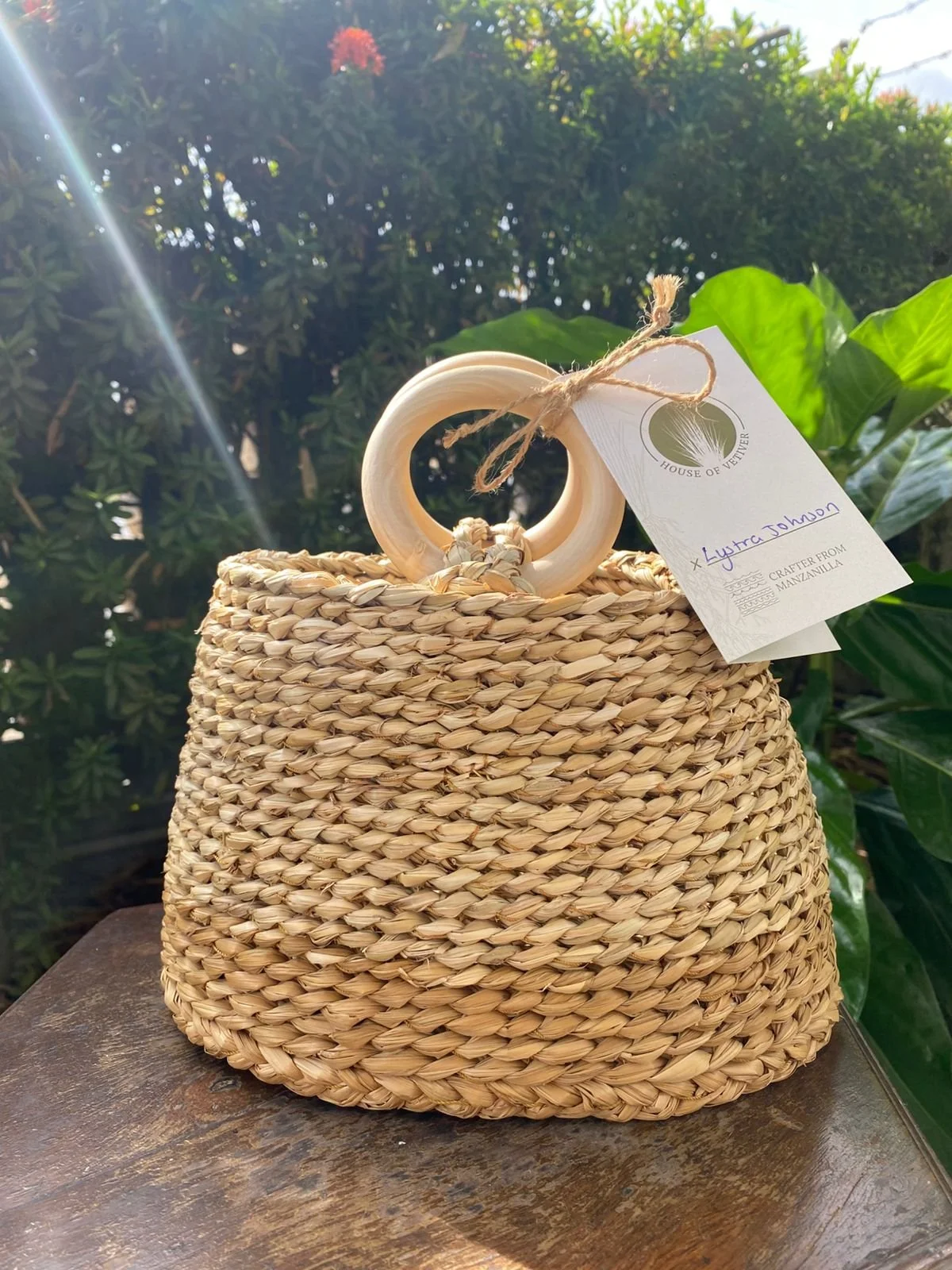
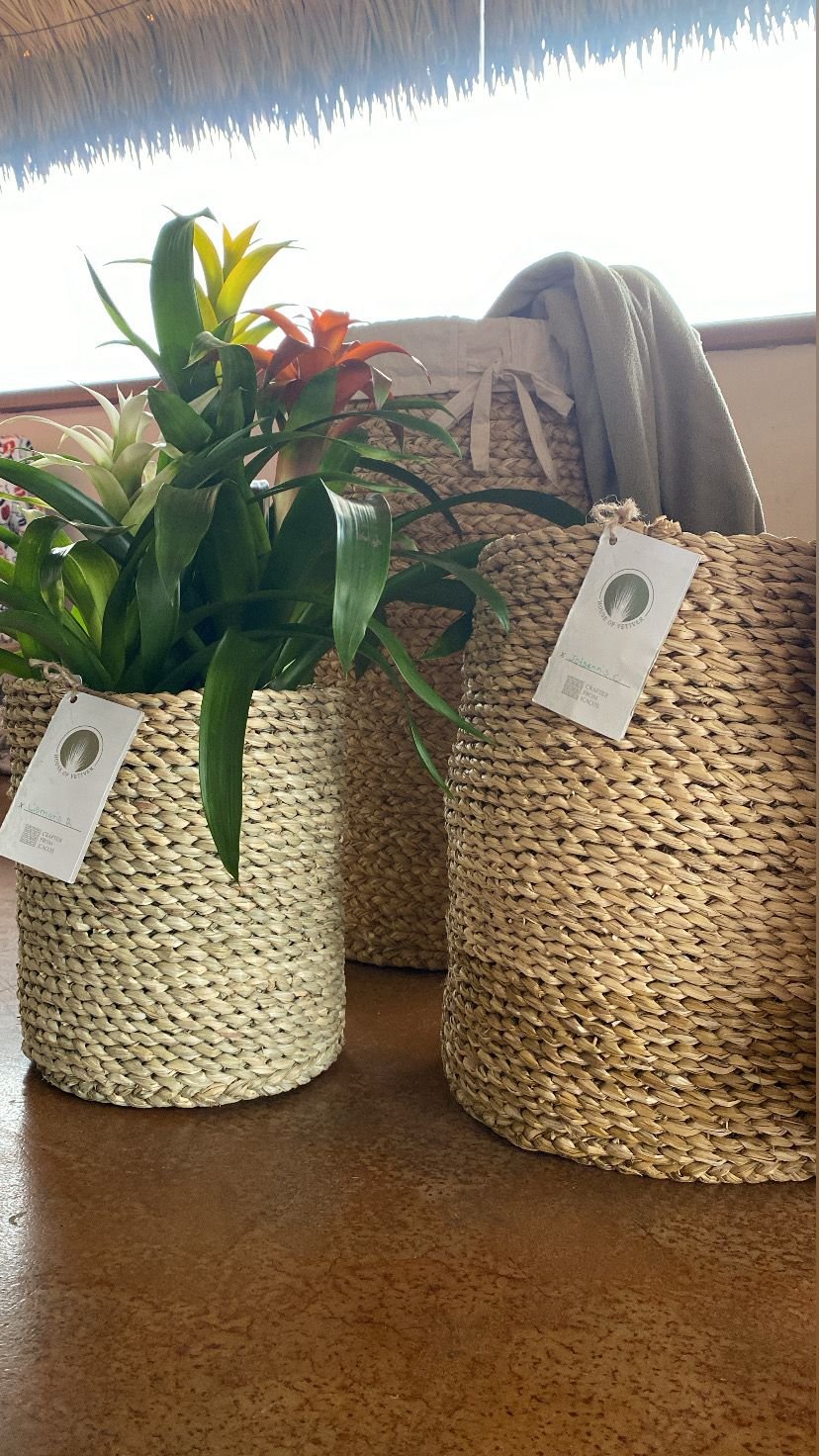
Image courtesy of IAMovement. Warao Women Upliftment Programme.
For one participant, learning to weave reminded her of where she came from, but also showed her where she could go. She described how, with the encouragement of mentors and a safe space to grow, she took on new challenges, including creating a ten-foot woven carpet. It was an undertaking she never imagined herself capable of, and this growth becomes crucial to women navigating marginalization and reclaiming their agency. She said, “If you don’t start, you’ll never try and learn.”
Her mindset—curious, brave, and open—speaks to the heart of what this program creates: not just economic opportunity, but the space for women to see themselves as skilled, capable, and independent. In doing so, it weaves together threads of cultural identity, environmental sustainability, and economic empowerment.
She shared that her journey has become a source of hope and admiration within her community. She now gives back by passing on knowledge, encouraging others to join, and proving that opportunity and dignity can flourish even in displacement.
The Warao Women’s Upliftment Program shows what’s possible when humanitarian support is rooted in respect, cultural knowledge, and sustainability. In a world where migrants and asylum seekers are too often reduced to statistics or framed as burdens, programs like this remind us that they are individuals—skilled, resilient, and full of potential—simply seeking safety, stability, and the chance to contribute. And as the needs of displaced communities continue to grow, it’s this kind of grounded, human-centered programming that must be prioritized.
Serene Ramjohn is an aspiring biodiversity professional from Trinidad and Tobago. She graduated from the University of the West Indies with a BSc. in Biology, with specializations in Marine Biology and Ecology. She hopes to connect with like-minded individuals to conserve and protect the biodiversity that exists in the Caribbean. In her free time, she enjoys reading, gardening, and crocheting.
Featured Image: Warao Women Upliftment Programme