

Long Bay, Portland’s Water Crisis: Before, During and After Hurricane Melissa
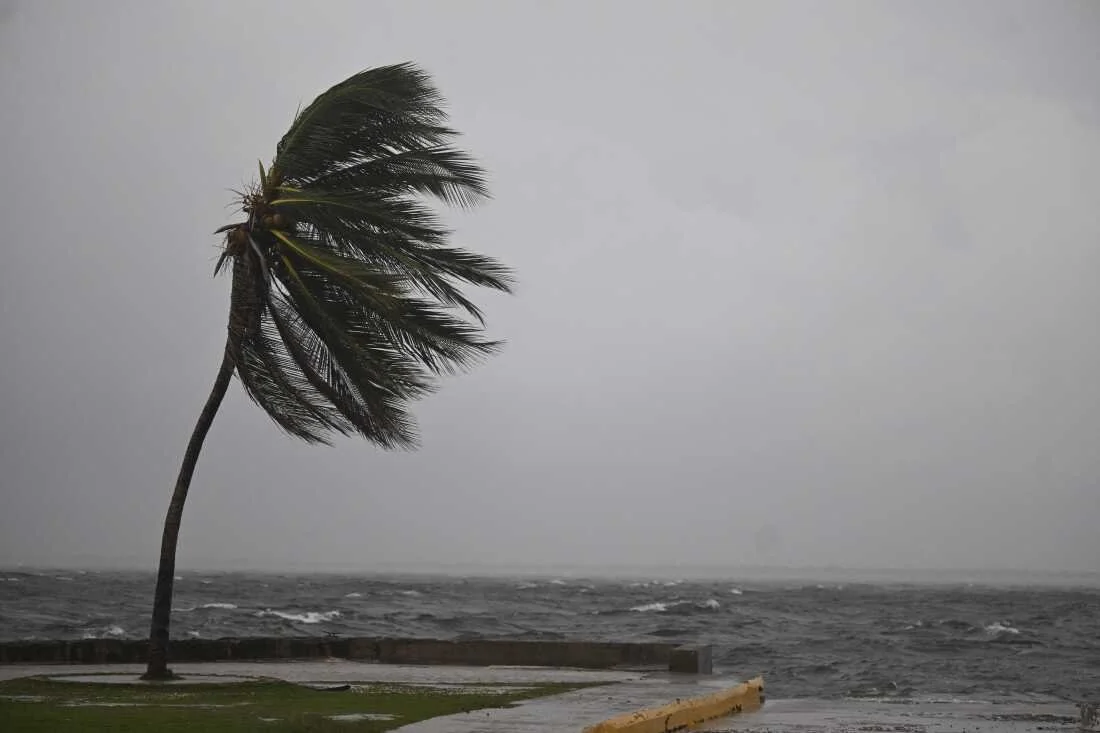
A coconut tree sways in the wind at Kingston Waterfront on Ocean Boulevard in Kingston, Jamaica, as Jamaica starts to feel the effects of Hurricane Melissa. Ricardo Makyn/AFP via Getty Images.
In Jamaica, communities assess the damage caused by Category 5 Hurricane Melissa and urgently act to restore the island. Relief and recovery projects are operational, with several communities collecting supplies and equipment for rapid response. Residents recognize that relief efforts will take months to years to complete, but they also see that prior existing crises have now been exacerbated, namely the water crisis that led to drought even before Melissa.
Jamaica’s water crisis is a prominent problem, extending for decades. Minister of Water, Environment and Climate Change, the Honourable Matthew Samuda, highlighted that insufficient investment has been made in the water systems for the past 50 years.
Terica Drysdale, GirlsCARE alum, shared the experiences of Long Bay, Portland residents on the water crisis. She expressed that the community has endured water shortages since September, with no running water in the pipes. The Long Bay community navigates the inaccessibility and inconvenience, which have significantly impacted sanitation, food production, and overall health. This is particularly heightened for vulnerable communities, such as young women, girls, persons with disabilities, and the elderly.
She added, “Families had nothing to stock up on as the storm approached. No water to fill bottles, bathe children, or cook. Many were forced to rent vehicles or pay high prices to truck water, while others walked long distances carrying buckets and oil jugs just to meet basic needs. What was once a daily inconvenience became a humanitarian concern.”
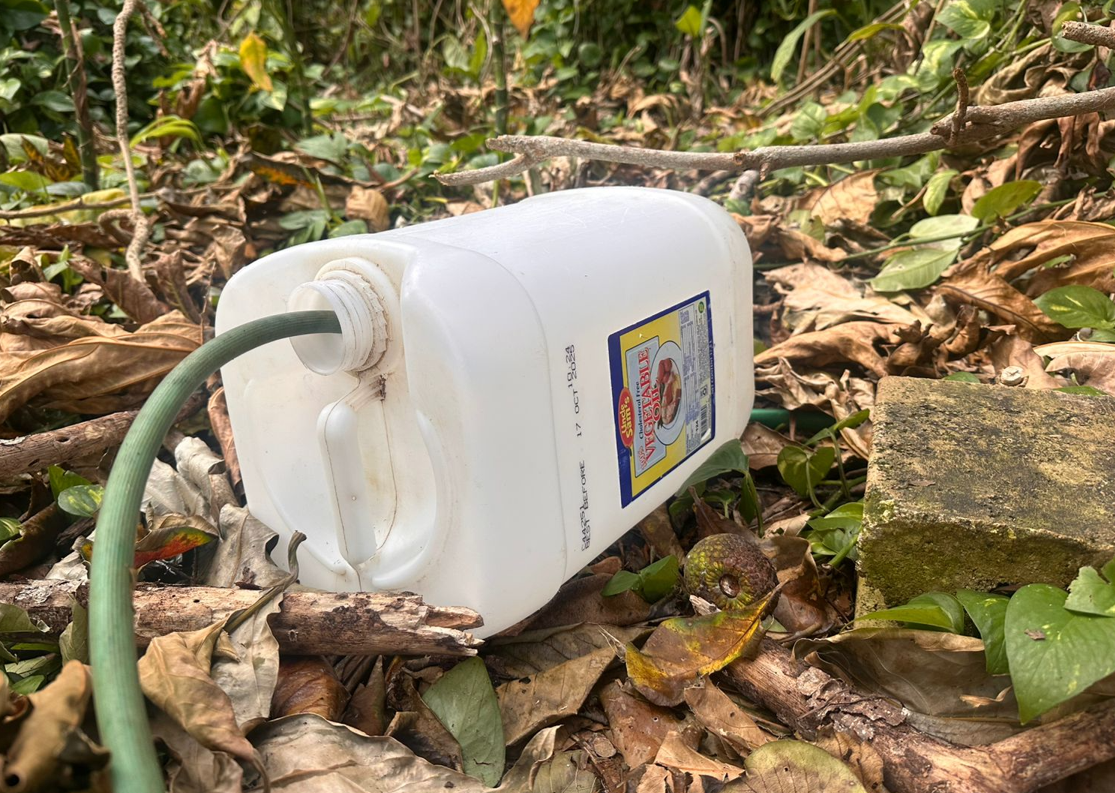
Residents of Long Bay’s water storage mechanism. Photo by Terica Drysdale.
Now weathering a climate-related disaster, this neglect is all the more apparent as it hinders care, aid and support for affected persons. Drysdale highlighted that during Hurricane Melissa’s flooding, road blockages, and power outages, Long Bay residents were completely cut off. She shared, “With no piped water and unsafe access to streams or catchments, families faced the storm without clean water for days. Children, elders, and youth struggled not only with fear of the storm, but with the exhaustion of finding water for survival.”
Hurricane Melissa made landfall in southern Jamaica on October 28 with winds of 185 miles (about 298 km) per hour. On October 29, widespread destruction was recorded including uprooted trees, scattered debris, and numerous roofs being torn off from the strong winds. With infrastructural and environmental damage, loss of resources, and instability, livelihoods in vulnerable communities like Long Bay serve as yet another example of Small Island Developing States’ severe and inequitable consequences of the climate crisis at the expense of greed-fueled hazardous actions done largely by the Global North.
As Drysdale lamented, “ When Hurricane Melissa struck Jamaica, it worsened an already desperate situation." For Long Bay residents, their water crisis intensified after Hurricane Messlisa and they have experienced prolonged drought since. Elders depend on neighbours for water and mothers and children are required to walk for miles to fill water drums.
The aftermath of Hurricane Melissa sheds more light on the severity of water scarcity in rural communities such as Long Bay, which Drysdale describes as a symbol of neglect and inequality. “Long Bay’s experience shows how climate disasters multiply pre-existing injustices. Without urgent attention to rural water infrastructure, families here will continue to face a crisis every time the clouds gather.”
Residents still seek external support for relief and repair, with an emphasis on regulated water supply. Several local organizations are stepping up to the task of supporting Jamaican communities. GirlsCARE Jamaica, a young women-led feminist climate activist movement, has launched the “Lend a Girl a Hand” initiative to support affected young girls and women through donations or direct sponsorships. Other organizations and platforms providing aid and support include Global Yaadie, WeChange JA, and the Jamaica Climate Change Youth Council.
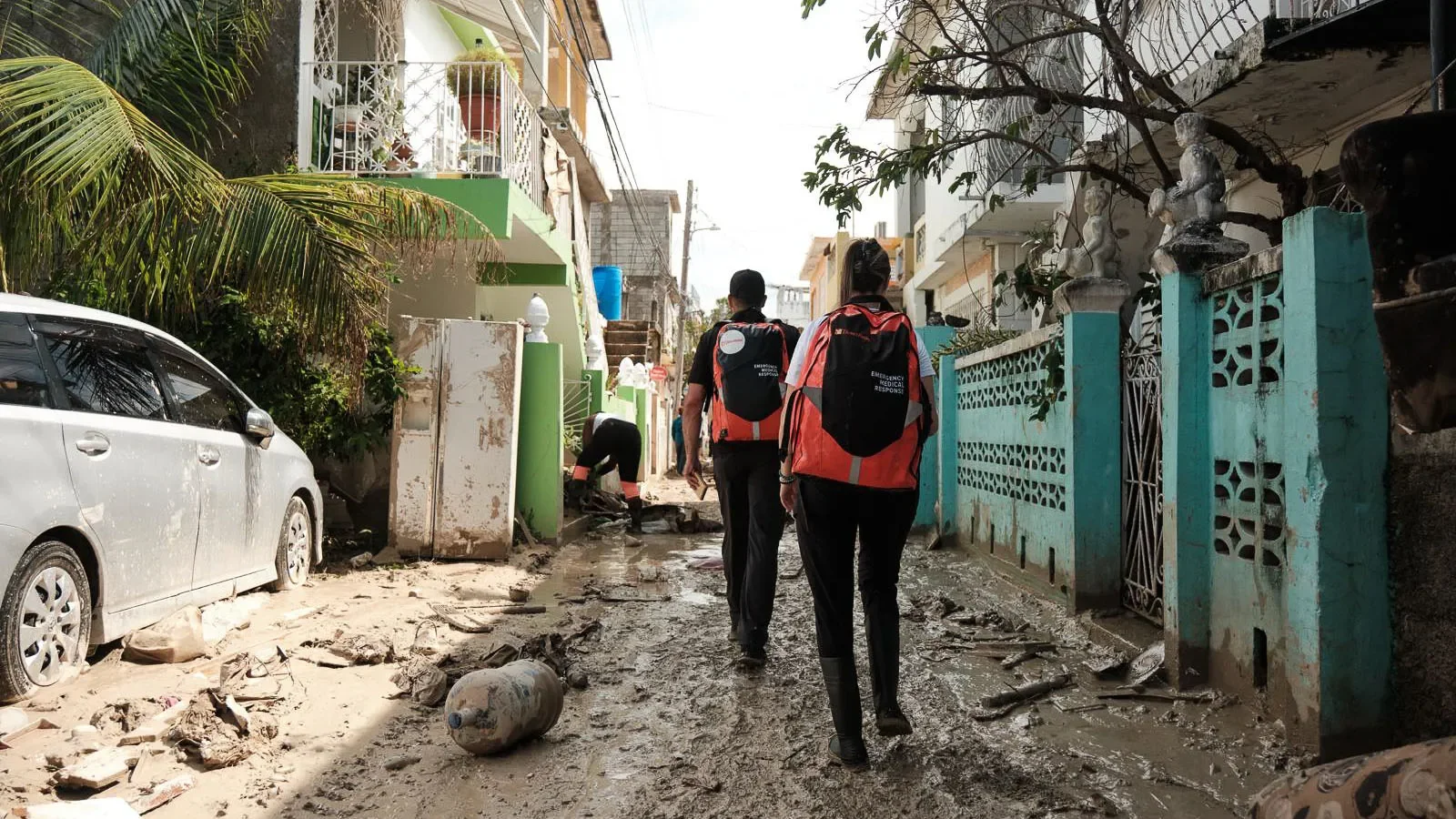
Direct Relief’s emergency team on the ground in Jamaica, assessing damage and delivering critical medical aid in Catherine Hall, one of the areas hardest hit by Hurricane Melissa in Montego Bay. (Photos by Manuel Velez)
The water crisis in Long Bay has persisted for decades, but climate-related disasters now pose even greater risks, making a proactive, long-term strategy essential. Addressing the growing inaccessibility of water requires significant investment in rainwater-harvesting systems, desalination plants, and water-efficient appliances. The government’s commitment to a regulated water supply must also include protections for the natural ecosystems that sustain these resources, alongside improved irrigation infrastructure to help mitigate increasingly prolonged droughts.
Relief efforts offer a valuable opportunity to introduce water-efficient appliances to residents, while donation drives can help ensure vulnerable communities have access to these tools. Providing essential water-storage equipment—such as basins, tanks, and localized pumps—can drastically reduce the burden of walking or traveling long distances for water. Strengthening rural water infrastructure is urgent, and post-hurricane recovery presents a critical moment to establish more reliable and accessible water-supply systems.
Princess Avianne Charles is a passionate climate justice advocate and workers' rights activist based in Trinidad and Tobago. She serves as Programme Coordinator for GirlsCARE’s Young Women Climate Mentorship Programme, where she empowers young girls and women to engage in climate advocacy through a feminist perspective. With a degree in Occupational Safety and Health, Princess integrates risk reduction into her work, ensuring that safety and resilience remain central to her activism. Her efforts highlight the critical intersections of worker justice, gender equality, and the wider climate, environmental, political, and socioeconomic landscapes.